A patient shows up with fresh wear facets and asks for a night guard, or you have just seated new zirconia on a known grinder. The Rx then asks you to decide: hard, soft or dual-laminate, upper or lower, full coverage or anterior only, how thick, and what guidance.
The evidence on night guards is thinner than their popularity suggests, and some designs carry real risks. Here is what guards can do, how options compare, and what to send. For crowns and implants in grinders, see Restorations for Bruxers.
Key Takeaways
- A Cochrane review of 5 trials found insufficient evidence that splints treat sleep bruxism; a 2020 review found no trial measuring tooth wear.
- In an overnight study of 10 bruxers, a hard splint reduced muscle activity in 8; a soft splint reduced it in 1 and increased it in 5.
- For chronic TMD pain, a 2023 BMJ guideline made a conditional recommendation against reversible occlusal splints.
- In a review of 11 wear studies, heat-cured, milled and printed guard materials wore alike; vacuum-formed materials wore the most.
- In 12 bruxers, a splint 3 mm thick at the incisors lowered nighttime muscle activity; a 6 mm splint did not.
- In 10 patients with sleep apnea, a maxillary occlusal splint raised the apnea-hypopnea index by more than 50% in 5.
Quick Answer
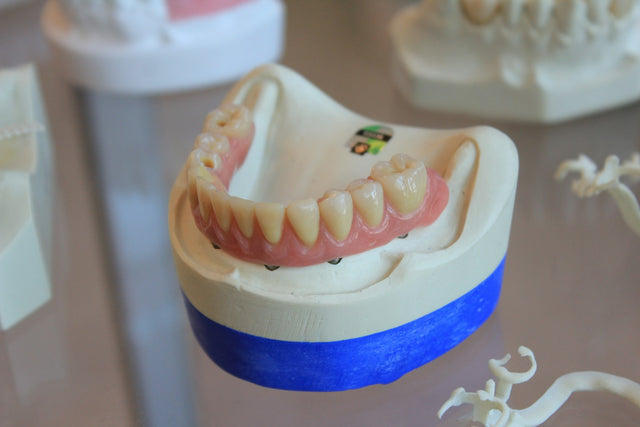
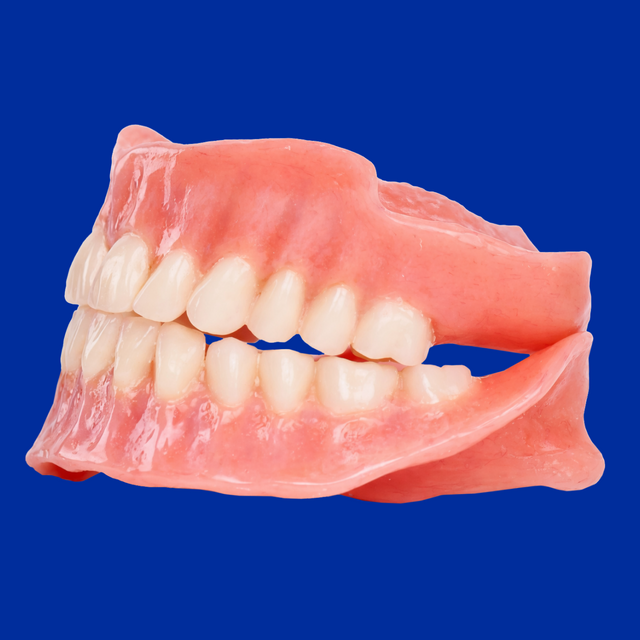
For most adult bruxers, a hard, full-coverage guard with even contacts on a flat plane is the best-supported default; the one trial comparing upper and lower splints found no difference in pain. Soft guards raised muscle activity in some patients, and thermoformed materials wore fastest in lab tests. Dual-laminate guards add a soft inner layer for comfort, with little direct evidence either way. Avoid unsupervised anterior-only devices, and ask about snoring before making any guard.
What Can a Night Guard Actually Do?
The 2018 international consensus defines sleep bruxism as masticatory muscle activity during sleep and, in otherwise healthy people, a behavior rather than a disorder (Lobbezoo et al., 2018). A guard does not reliably change that behavior; it puts a replaceable surface between the arches.
For sleep bruxism: protection, not a cure
A Cochrane review of 5 randomized trials found not enough evidence that occlusal splints treat sleep bruxism, though they might help with tooth wear (Macedo et al., 2007). A 2020 NIHR review found no trials that measured tooth wear in bruxers, so that benefit remains unproven (Riley et al., 2020). Protecting teeth and restorations is a fair goal; stopping grinding is not a promise to make.
For TMD pain: modest and uncertain
The 2020 review pooled 52 trials and found no evidence that splints reduced TMD pain compared with no or minimal treatment. A 2024 Cochrane review of 57 trials rated all its evidence very low certainty (Singh et al., 2024). For chronic TMD pain, the 2023 BMJ guideline made a conditional recommendation against reversible occlusal splints and strong recommendations for CBT, supervised jaw exercise and usual care (Busse et al., 2023). In a 12-month trial of 200 TMD patients, neither a flat-plane hard acrylic splint nor a soft vinyl splint beat self-care (Truelove et al., 2006).
Hard, Soft or Dual-Laminate: Which Material?
Hard acrylic
In Okeson's overnight study, a hard splint covering all maxillary teeth with even, simultaneous contacts significantly reduced nighttime muscle activity in 8 of 10 participants (Okeson, 1987, as described by Ainoosah et al., 2024). At maximum clench, hard splints lowered masseter and anterior temporalis activity, while soft splints slightly increased it (al-Quran and Lyons, 1999).
Participants whose nighttime muscle activity rose significantly with a soft splint; it fell in only 1 (Okeson, 1987).
Soft
Soft guards are often chosen for comfort, and for TMD symptoms soft vinyl matched hard acrylic at 12 months in the trial above. Not every EMG study agrees: in 16 bruxers clenching after about 6 weeks of wear, activity fell in 6 of 8 soft-splint users and rose in 5 of 8 hard-splint users, yet the authors still judged hard splints better (Cruz-Reyes et al., 2011). All these samples are tiny.
Dual-laminate
A dual-laminate guard is soft inside and hard outside (Flanagan, 2010). In a Belfast clinic study of 100 migraine-prevention appliances, a laminated design of ethylene vinyl acetate with a light-cured resin needed less adjustment to seat than heat-cured acrylic splints, with similar chair time when changes were needed (Barnes et al., 2006). We found no trial comparing dual-laminate and hard guards in bruxers.
| Type | Built as | What studies show | Practical fit |
|---|---|---|---|
| Hard | Rigid acrylic: heat-cured, milled or printed | Lowered nighttime muscle activity in 8 of 10; heat-cured, milled and printed materials wore alike | Default for bruxers and long-term use |
| Soft | Thermoformed vinyl or similar sheet | Raised nighttime muscle activity in 5 of 10; vacuum-formed materials wore the most; matched hard splints for TMD symptoms at 12 months | Short-term use; a finite element model favored soft guards only for temporary use |
| Dual-laminate | Soft inner layer, hard outer layer | Laminated design needed less adjustment to seat than heat-cured acrylic in 100 appliances; no bruxism trials found | An option when a patient will not wear a hard guard |
Full Coverage or Anterior Only?
Anterior-only devices contact a few front teeth and keep the posterior teeth apart. In a review of the NTI-tss, an anterior bite stop, two trials found lower EMG activity than with a stabilization splint, but complications related mainly to single teeth or the occlusion, and the authors advise it only for patients certain to attend follow-up (Stapelmann and Türp, 2008). Full coverage is not risk-free: the review notes rare occlusal changes after full-time wear of a stabilization appliance, and calls them unlikely with night-only wear.
Upper or Lower?
The one randomized comparison we found was in TMD, not bruxism: in 40 patients with myofascial pain, neither an upper Michigan splint nor a mandibular splint reduced pain significantly over 6 months, and muscle activity did not differ (Deregibus et al., 2021). A finite element model built from one patient's CT and MRI data suggested the same arch as the teeth or implants at issue (Silva et al., 2023). In practice, choose by what needs protecting, where missing teeth would leave gaps in the contacts, and what the patient will wear.
How Thick, and What Guidance?
In 12 people with a bruxism habit, a splint 3 mm thick at the central incisors lowered nighttime masseter and temporalis activity; a 6 mm splint had no significant effect, and 6 of 12 (masseter) and 7 of 12 (temporalis) did worse with it than with no splint (Abekura et al., 2008). The finite element model above also favored 2 to 3 mm of anterior thickness over 3 to 4 mm.
On guidance, two small EMG studies in people without jaw dysfunction disagree. On full-coverage splints in 6 subjects, canine guidance reduced elevator muscle activity in excursions more than group function (Manns et al., 1987); in 10 subjects, masseter activity did not differ between the two designs (Borromeo et al., 1995). Canine guidance on a flat occlusal plane is a reasonable default, not a proven requirement.
Printed, Milled, Heat-Cured or Thermoformed?
In lab wear tests, the method matters less than whether the material is thermoformed. Clinically, digital guards have shown comfort and fewer visits, not better long-term relief.
| Method | Lab findings | Clinical findings |
|---|---|---|
| Heat-cured acrylic | Wear similar to milled and printed; conventional resins had higher flexural strength in pooled data | Comparator in the trials below |
| Milled | Smoother surfaces than conventional resin; similar volume loss | CAD/CAM and conventional splints equally effective over 9 months; 48 TMD patients randomized, 32 completed |
| 3D printed | Properties comparable to conventional resins | Rated more comfortable, 15 vs 42 on a 0 to 100 discomfort scale, in a 14-patient study; same treatment outcome |
| Fully digital workflow | Not tested separately | Less pain at 1 and 3 months but not at 6, and fewer visits, in 70 TMD patients |
| Thermoformed (vacuum-formed) | Highest wear of all groups | Soft vinyl matched hard acrylic for TMD symptoms at 12 months |

Why Ask About Snoring Before Making a Guard?
A maxillary splint can worsen sleep apnea in some patients. In a pilot study of 10 apnea patients, average AHI did not change significantly, but it rose by more than 50% in 5 of them on the splint night (Gagnon et al., 2004). In a randomized crossover trial of 10 patients, mean AHI was 17.4 events per hour with a stabilization splint and 15.9 without, a significant difference the authors judged small (Nikolopoulou et al., 2013).
The pilot study's authors suggest asking about snoring and sleep apnea whenever you recommend a splint. Diagnosis belongs to a physician: the AASM and AADSM guideline says primary snoring should be diagnosed by a sleep physician, not a dentist, because snoring often accompanies OSA; when a sleep physician prescribes an oral appliance for OSA, it suggests a custom, titratable device made by a qualified dentist (Ramar et al., 2015).
What Records Should You Send?
- Arches: full-arch scans or impressions of both arches, occlusal and incisal surfaces complete.
- Bite: a bite record; if you want a specific jaw position or opening, record it and say so.
- Rx: material, arch, coverage, thickness, guidance, restorations and implants, previous guards, snoring screened.
For billing, the ADA says a guard with any hard occlusal component, dual-laminate included, is coded as a hard guard; the guard codes are in our CDT codes cheat sheet for lab work.
How Should Patients Clean a Guard, and When Should It Be Replaced?
Cleaners change guard materials. In a lab test, soaking two thermoplastic sheet materials 15 minutes a day for 60 days in liquid soap, 2% chlorhexidine or a mouthwash increased hardness, and liquid soap was best for color (de Almeida Salles et al., 2021). In a 6-month lab simulation, effervescent denture tablets noticeably changed the color of printed and hand-cast splint resins (Kalyoncuoğlu and Atik, 2023).
We found no clinical study that sets a replacement interval; the wear review calls for studies on which material lasts longest without a remake (Grymak et al., 2022). Have patients bring the guard to every recall, and check it for wear-through, cracks, loose fit and new facets.
Night Guards at Elegant Dental Laboratory
- We make orthodontic appliances, including hard, soft and dual-laminate night guards, and anti-snoring and sleep apnea appliances on request.
- Every case is made in house at 2308 McDonald Ave, Brooklyn, by more than 35 technicians. Gary Fingerman founded the lab in 2007.
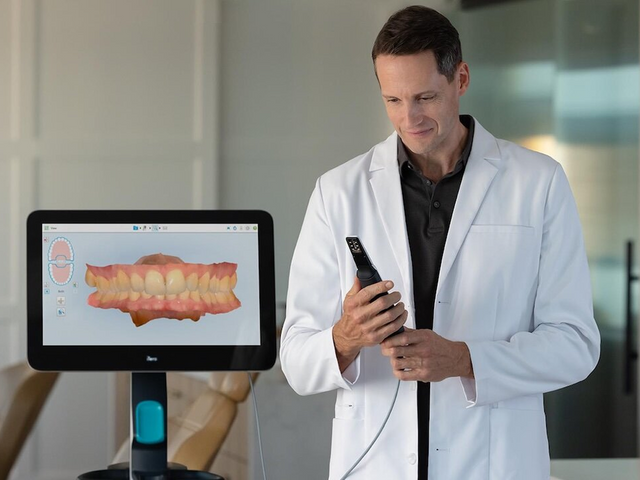
- Digital scans are reviewed before production; we accept STL and PLY files from all major intraoral scanners.
- Our warranty does not cover restorations in patients with bruxism who do not wear a night guard, so a guard protects the crowns as well as the teeth.
- Our own drivers pick up and deliver free every business day in all five New York City boroughs and 13 northern New Jersey counties; anywhere else, use a prepaid UPS label or send a case. Call 877-335-5221.
FAQ
Is a hard or soft night guard better for bruxism?
Hard has the better data: in one overnight study it lowered muscle activity in 8 of 10 bruxers; a soft guard raised it in 5.
Will a night guard stop grinding?
There is no good evidence that it will. Present the guard as protection for teeth and restorations.
Should the guard be upper or lower?
In the one randomized comparison we found, in TMD patients, neither arch reduced pain significantly. Choose by what needs protecting.
Are anterior-only guards safe?
Reported complications involve single teeth and the occlusion, including an anterior open bite. Use them only with reliable follow-up.
Should I screen for sleep apnea first?
Yes. A maxillary splint raised AHI by more than 50% in 5 of 10 apnea patients in one pilot study. Refer snorers to a sleep physician for diagnosis.
Sources (28)
- Lobbezoo F, et al. International consensus on the assessment of bruxism: Report of a work in progress. J Oral Rehabil. 2018;45(11):837-844. doi:10.1111/joor.12663
- Macedo CR, et al. Occlusal splints for treating sleep bruxism (tooth grinding). Cochrane Database Syst Rev. 2007;(4):CD005514. doi:10.1002/14651858.CD005514.pub2
- Riley P, et al. Oral splints for patients with temporomandibular disorders or bruxism: a systematic review and economic evaluation. Health Technol Assess. 2020;24(7):1-224. doi:10.3310/hta24070
- Singh BP, et al. Occlusal interventions for managing temporomandibular disorders. Cochrane Database Syst Rev. 2024;9(9):CD012850. doi:10.1002/14651858.CD012850.pub2
- Busse JW, et al. Management of chronic pain associated with temporomandibular disorders: a clinical practice guideline. BMJ. 2023;383:e076227. doi:10.1136/bmj-2023-076227
- Truelove E, et al. The efficacy of traditional, low-cost and nonsplint therapies for temporomandibular disorder: a randomized controlled trial. J Am Dent Assoc. 2006;137(8):1099-1107. doi:10.14219/jada.archive.2006.0348
- Okeson JP. The effects of hard and soft occlusal splints on nocturnal bruxism. J Am Dent Assoc. 1987;114(6):788-791. doi:10.14219/jada.archive.1987.0165
- Ainoosah S, et al. Comparative analysis of different types of occlusal splints for the management of sleep bruxism: a systematic review. BMC Oral Health. 2024;24(1):29. doi:10.1186/s12903-023-03782-6
- al-Quran FA, Lyons MF. The immediate effect of hard and soft splints on the EMG activity of the masseter and temporalis muscles. J Oral Rehabil. 1999;26(7):559-563. doi:10.1046/j.1365-2842.1999.00421.x
- Cruz-Reyes RA, et al. Influence of occlusal stabilization splints and soft occlusal splints on the electromyographic pattern, in basal state and at the end of six weeks treatment in patients with bruxism. Acta Odontol Latinoam. 2011;24(1):66-74. PubMed 22010409
- Flanagan D. A dual-laminate snore reduction appliance: a report of four cases. Gen Dent. 2010;58(4):e156-e161. PubMed 20591763
- Barnes MF, et al. Fitting acrylic occlusal splints and an experimental laminated appliance used in migraine prevention therapy. Br Dent J. 2006;200(5):283-286. doi:10.1038/sj.bdj.4813311
- Grymak A, et al. Wear Behavior of Occlusal Splint Materials Manufactured By Various Methods: A Systematic Review. J Prosthodont. 2022;31(6):472-487. doi:10.1111/jopr.13432
- Silva CAGD, et al. Can hard and/or soft occlusal splints reduce the bite force transmitted to the teeth and temporomandibular joint discs? A finite element method analysis. Cranio. 2023;41(4):298-305. doi:10.1080/08869634.2020.1853464
- Stapelmann H, Türp JC. The NTI-tss device for the therapy of bruxism, temporomandibular disorders, and headache - where do we stand? A qualitative systematic review of the literature. BMC Oral Health. 2008;8:22. doi:10.1186/1472-6831-8-22
- Deregibus A, et al. Are occlusal splints effective in reducing myofascial pain in patients with muscle-related temporomandibular disorders? A randomized-controlled trial. Turk J Phys Med Rehabil. 2021;67(1):32-40. doi:10.5606/tftrd.2021.6615
- Abekura H, et al. The initial effects of occlusal splint vertical thickness on the nocturnal EMG activities of masticatory muscles in subjects with a bruxism habit. Int J Prosthodont. 2008;21(2):116-120. PubMed 18546763
- Manns A, Chan C, Miralles R. Influence of group function and canine guidance on electromyographic activity of elevator muscles. J Prosthet Dent. 1987;57(4):494-501. doi:10.1016/0022-3913(87)90024-2
- Borromeo GL, Suvinen TI, Reade PC. A comparison of the effects of group function and canine guidance interocclusal device on masseter muscle electromyographic activity in normal subjects. J Prosthet Dent. 1995;74(2):174-180. doi:10.1016/s0022-3913(05)80183-0
- Valenti C, et al. Mechanical and biological properties of polymer materials for oral appliances produced with additive 3D printing and subtractive CAD-CAM techniques compared to conventional methods: a systematic review and meta-analysis. Clin Oral Investig. 2024;28(7):396. doi:10.1007/s00784-024-05772-6
- Pho Duc JM, Hüning SV, Grossi ML. Parallel Randomized Controlled Clinical Trial in Patients with Temporomandibular Disorders Treated with a CAD/CAM Versus a Conventional Stabilization Splint. Int J Prosthodont. 2016;29(4):340-350. doi:10.11607/ijp.4711
- Berntsen C, et al. Clinical comparison of conventional and additive manufactured stabilization splints. Acta Biomater Odontol Scand. 2018;4(1):81-89. doi:10.1080/23337931.2018.1497491
- Shabaan AA, et al. Fully digital workflow versus conventional methods for fabricating the Michigan appliance in patients with temporomandibular joint disorder. A randomized controlled clinical trial. BMC Oral Health. 2026;26(1):881. doi:10.1186/s12903-026-08534-w
- Gagnon Y, et al. Aggravation of respiratory disturbances by the use of an occlusal splint in apneic patients: a pilot study. Int J Prosthodont. 2004;17(4):447-453. PubMed 15382781
- Nikolopoulou M, et al. Effects of occlusal stabilization splints on obstructive sleep apnea: a randomized controlled trial. J Orofac Pain. 2013;27(3):199-205. doi:10.11607/jop.967
- Ramar K, et al. Clinical Practice Guideline for the Treatment of Obstructive Sleep Apnea and Snoring with Oral Appliance Therapy: An Update for 2015. J Clin Sleep Med. 2015;11(7):773-827. doi:10.5664/jcsm.4858
- de Almeida Salles C, et al. Influence of thermocycling and disinfection on the color stability and hardness of thermoplastic sheets used for occlusal splint fabrication. Gen Dent. 2021;69(3):42-45. PubMed 33908877
- Kalyoncuoğlu ÜT, Atik E. Impact of effervescent denture cleaning tablets on color and surface characteristics of additively manufactured and hand-cast splint materials. Clin Oral Investig. 2023;28(1):54. doi:10.1007/s00784-023-05433-0
Reviewed by Gary Fingerman, founder and CEO of Elegant Dental Laboratory, Brooklyn, New York (founded 2007). Last reviewed: October 1, 2026. Study values are from published research; diagnosis of sleep apnea belongs to a physician.