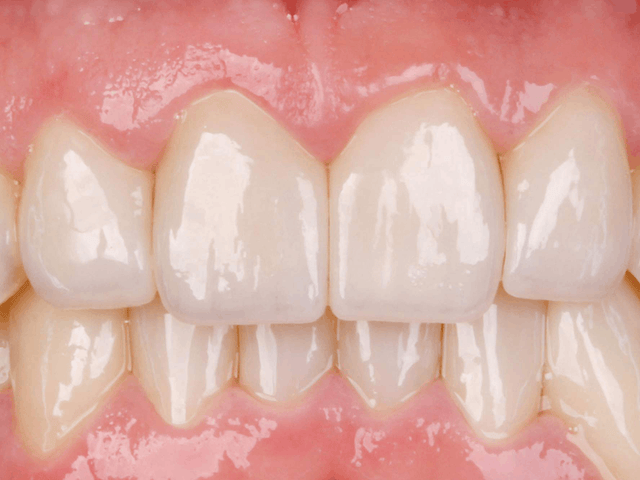
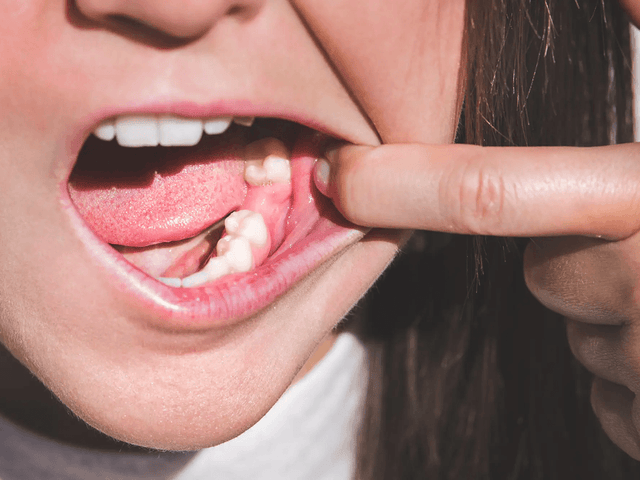
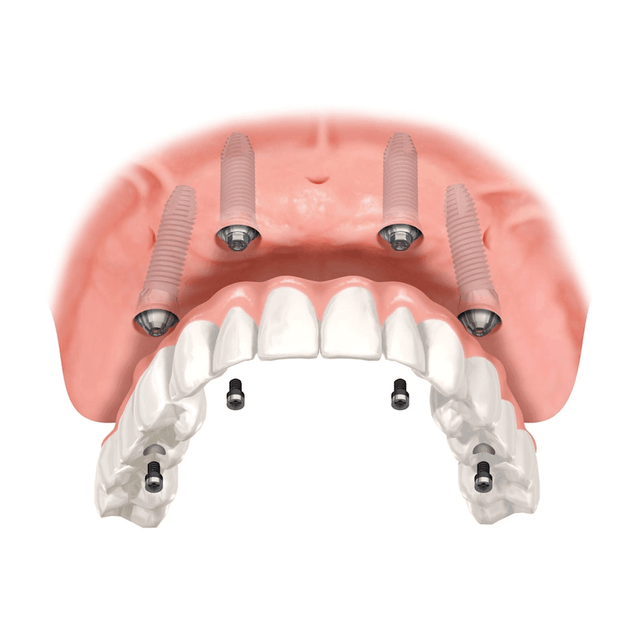
Zirconia teeth are crowns, bridges and implant restorations made from zirconium dioxide, a high-strength white ceramic: Ivoclar rates its high-strength 3Y zirconia at 1,200 MPa, while the most translucent 5Y grades average 570 MPa in lab studies. Their main trade-offs are lower translucency than glass ceramics in the strongest grades and harder chairside adjustment, and over five years they survive about as well as metal-ceramic crowns.
Zirconia teeth have become one of the most trusted options in restorative dentistry. They are strong, metal-free, biocompatible, and capable of delivering a natural-looking result in many clinical situations. For crowns, bridges, implant restorations, and full-arch cases, zirconia often offers the kind of durability patients want and the kind of reliability clinicians value.
It is not the right answer for every case, though. Zirconia shines when strength and long-term performance matter most, but there are situations where a more translucent material may be a better esthetic fit.
Quick Answer
Zirconia teeth are dental restorations made from zirconium dioxide, a high-strength ceramic used for crowns, bridges, implant restorations, and full-arch prosthetics. Their biggest advantages are strength, durability, biocompatibility, and a natural white appearance. Their main trade-offs are higher cost, lower translucency than some glass ceramics, and more challenging adjustment after placement.
Zirconia Teeth at a Glance
- Zirconia is a high-strength ceramic used in many types of dental restorations.
- It is especially valued for durability, fracture resistance, and metal-free esthetics.
- It is often a strong choice for posterior crowns, bridges, implant cases, and patients with heavy bite forces.
- It may not always be the best option in highly esthetic anterior cases where maximum translucency is the priority.
- The success of a zirconia restoration depends not only on the material, but also on case selection, preparation, finishing, and lab quality.
What Are Zirconia Teeth?
When people talk about zirconia teeth, they are usually referring to restorations made from zirconium dioxide, a white ceramic material used to restore damaged teeth or replace missing ones. Zirconia can be used in single crowns, bridges, implant-supported restorations, veneers, inlays, onlays, and full-arch prosthetics.
One reason zirconia has become so widely used is that it is not just one material with one fixed use. Different zirconia formulations are designed for different goals. Some prioritize strength. Others are made to improve translucency and esthetics. That flexibility allows dentists and labs to match the material more closely to the demands of each case.
What Are the Main Benefits of Zirconia Teeth?
Zirconia remains popular because it performs well in the areas that matter most to both patients and clinicians: strength, longevity, tissue compatibility, and appearance.
Strength and Durability
Zirconia is one of the strongest restorative materials used in dentistry today. It has high flexural strength and strong fracture resistance, which makes it especially useful in posterior restorations, long-span bridges, and implant-supported cases.
For patients with heavy bite forces or bruxism, zirconia is often a practical choice because it holds up well under functional stress. In many cases, that long-term durability is one of its biggest advantages.
Natural, Metal-Free Appearance
Because zirconia is white and metal-free, it avoids the dark margins and gray shadowing that can sometimes appear with metal-based restorations. That gives it a more natural look, especially near the gumline.
Newer zirconia materials also offer improved translucency compared with earlier generations. They may not match the light transmission of some glass ceramics, but they can still provide a highly esthetic result in many clinical situations.
Biocompatibility
A restoration should not only fit well and look right. It should also work comfortably with the surrounding tissue. Zirconia has shown strong biocompatibility and is generally well tolerated in the oral environment.
That matters in everyday crown and bridge work, but it becomes especially important in implant and full-arch cases, where tissue response can affect both comfort and long-term performance.
Resistance to Wear and Corrosion
Zirconia is highly resistant to corrosion, chemical breakdown, and surface wear. That makes it well suited for the constant demands of the oral environment.
Surface finish still matters. Well-polished zirconia is less likely to create excessive wear on opposing teeth than rough zirconia. If chairside adjustments are made, careful polishing afterward is essential.
How Strong Are Zirconia Teeth?
Very strong, but how strong depends on the grade. The number in front of the Y is the yttria content: more yttria makes zirconia more translucent and less strong. For a full guide to the grades, see Types of Zirconia Explained.
| Zirconia grade | Flexural strength | Look | Typical use |
|---|---|---|---|
| 3Y | 1,200 MPa (Ivoclar, IPS e.max ZirCAD LT) | Most opaque | Posterior crowns, long-span bridges, full-arch |
| 4Y | 803 MPa on average across lab studies | More translucent | Crowns and three-unit bridges |
| 5Y | 570 MPa on average across lab studies | Most translucent | Anterior crowns, veneers, anterior three-unit bridges |
The 4Y and 5Y averages come from a 2025 systematic review of 78 laboratory studies, which supported 4Y for three-unit bridges and 5Y for three-unit bridges in the anterior region. Strength in the lab is only part of the answer. In the mouth, a 2026 meta-analysis of tooth-supported single crowns found five-year survival of 96.8% for monolithic zirconia and 97.3% for veneered zirconia, against 97.1% for metal-ceramic and 98.5% for monolithic lithium disilicate.
What Are the Limitations of Zirconia Teeth?
Zirconia offers real advantages, but good treatment decisions depend on understanding the trade-offs too.
Higher Cost
Zirconia restorations are often more expensive than metal, PFM, and some all-ceramic alternatives. That higher cost usually reflects the material’s performance, esthetic benefits, and manufacturing requirements.
Lower Translucency Than Some Glass Ceramics
Although zirconia has become more esthetic over time, it still may not offer the same translucency as some glass ceramics. In highly demanding anterior cases, especially where the surrounding teeth are very translucent, another material may sometimes provide a better visual match.
More Challenging to Adjust
Zirconia’s hardness is one of its biggest strengths, but it can also make the material more difficult to adjust. If occlusal or contour changes are needed after placement, the restoration must be carefully refined and polished to avoid increasing wear on the opposing dentition. Our guide to adjusting zirconia crowns: polish or glaze covers the steps.
Are Zirconia Teeth Better Than Porcelain or Other Ceramics?
The better question is not whether zirconia is always better. It is whether zirconia is better for the case in front of you.
| Material | Main Strength | Best For | Main Limitation |
|---|---|---|---|
| Zirconia | Very high strength and fracture resistance | Posterior crowns, bridges, implants, full-arch restorations, high-force cases | Less translucent than some glass ceramics |
| Porcelain-Fused-to-Metal | Strength with long clinical history | Functional restorations where esthetics are not the top concern | Metal margin or gray show-through |
| Glass Ceramic / e.max | High esthetics and translucency | Anterior cases with high cosmetic demands | May be less ideal in some heavy-force situations |
Zirconia often wins when durability and long-term function are the priority. Glass ceramics often win when the highest level of translucency is needed. The right answer depends on the location of the restoration, the patient’s bite, and the esthetic goal. For the most common head-to-head choice, see Zirconia vs. E.max.
When Is Zirconia the Best Choice?
Zirconia is often a strong choice in cases where function matters as much as, or more than, maximum translucency. It is commonly used for:
- Posterior crowns
- Bridges
- Implant-supported restorations
- Full-arch hybrid prosthetics
- Patients with bruxism
- Cases involving heavy occlusal forces
- Restorations where long-term durability is a top priority
In these situations, zirconia often gives patients a restoration that feels dependable from both a functional and esthetic standpoint.
When Might Another Material Be Better?
If the restoration is in a highly visible anterior area and the patient wants the most lifelike translucency possible, another ceramic may sometimes be the better choice. That does not mean zirconia is a poor material. It simply means material selection should be driven by the case, not by habit or marketing language. Translucent zirconia is also used for veneers; see Are Zirconia Veneers the Next Step in Aesthetic Dentistry? for where they fit.
The best restorations come from matching the material to the patient’s needs, smile goals, and clinical realities.
Why Does Lab Quality Matter So Much With Zirconia?
Zirconia is a high-performance material, but the final result still depends on how the case is designed, fabricated, finished, and adjusted. Material selection, contour, staining, occlusion, and surface polish all affect how the restoration looks and performs.
That is why lab quality matters. A well-made zirconia restoration should not just be strong. It should also fit accurately, function comfortably, and blend naturally into the patient’s smile.
At Elegant Dental Laboratory we mill solid and 9-layer zirconia crowns and bridges in house in Brooklyn, from our own Elegance Zirconia discs. Our zirconia options are solid 3Y, 9-layer 5Y, solid zirconia with buccal porcelain, and a zirconia coping with layered porcelain. We follow the brand or grade written on the Rx; when the Rx names none, we use solid zirconia for posterior teeth and zirconia with porcelain for anterior teeth. Contacts are polished and the crown is glazed, and we sandblast the inside of every zirconia crown before shipping.
Final Thoughts
Zirconia has earned its place as one of the most reliable materials in modern restorative dentistry. It is strong, biocompatible, wear-resistant, and versatile enough for everything from single-unit crowns to full-arch restorations.
Its biggest advantage is balance. Zirconia may not be the perfect solution for every indication, but in many cases it offers exactly what patients and clinicians are looking for: strength, predictability, and long-term confidence.
FAQ
What are zirconia teeth?
Zirconia teeth are dental restorations made from zirconium dioxide, a strong ceramic material used for crowns, bridges, implant restorations, and full-arch prosthetics.
Are zirconia teeth better than porcelain?
Not in every case. Zirconia is generally stronger and more durable, while porcelain or glass ceramics may offer better translucency in highly esthetic situations.
How strong are zirconia teeth?
High-strength 3Y zirconia is rated at 1,200 MPa by Ivoclar. The more translucent grades average 803 MPa (4Y) and 570 MPa (5Y) in lab studies.
Is zirconia the same as zirconium?
No. Zirconium is a metal; dental zirconia is zirconium dioxide, a ceramic. "Zirconium crowns" and "zirconia crowns" usually mean the same ceramic restoration.
How long do zirconia teeth last?
Zirconia restorations can last for many years when the case is properly planned and maintained. Longevity depends on bite force, oral hygiene, preparation quality, and overall restorative design. In a 2026 meta-analysis, 96.8% of monolithic zirconia crowns on natural teeth survived five years.
Do zirconia teeth look natural?
Yes. Modern zirconia materials can look very natural, especially compared with older metal-based restorations. In very high-end cosmetic cases, some glass ceramics may still provide greater translucency.
Are zirconia teeth a good choice for patients who grind their teeth?
In many cases, yes. Zirconia is often recommended for patients with bruxism because of its strength and fracture resistance, though the final decision should always be case-specific.
Are zirconia crowns worth the extra cost?
For many patients, they are. Zirconia often provides strong long-term value because of its durability, biocompatibility, and metal-free appearance.
Sources (4)
- Ivoclar. IPS e.max ZirCAD product page (manufacturer data). ivoclar.com
- Bernauer SA, et al. Flexural strength of translucent zirconia for single crowns and fixed dental prostheses: a systematic review. J Prosthodont Res. 2026;70(2):173-182. doi:10.2186/jpr.JPR_D_24_00277
- Pjetursson BE, et al. Survival, failure, and complication rates of metal-ceramic, veneered, and monolithic all-ceramic tooth-supported single crowns, Part 1. Int J Prosthodont. 2026;39(3):308-324. doi:10.11607/ijp.9633
- Pjetursson BE, et al. Survival, failure, and complication rates of veneered and monolithic all-ceramic implant-supported single crowns. Clin Oral Implants Res. 2021;32 Suppl 21:254-288. doi:10.1111/clr.13863
Reviewed by Gary Fingerman, founder and CEO of Elegant Dental Laboratory, Brooklyn, New York (founded 2007). Last reviewed: October 14, 2026.